

Blog
How Should Students Prepare to Use Chemicals in the Lab? A Complete Laboratory Safety Guide

Introduction: Build Confidence Through Laboratory Safety
Working with chemicals in a laboratory is an exciting opportunity for students to explore science, conduct experiments, and discover how the world works. However, every successful experiment begins with proper preparation. Understanding laboratory safety rules, chemical handling procedures, and personal protective equipment (PPE) helps students protect themselves, their classmates, and the laboratory environment.
Whether you are a school student, college learner, or university researcher, learning how to prepare for chemical experiments is an essential part of practical science. By following the correct laboratory safety procedures, you can minimize risks, prevent accidents, and perform experiments with greater confidence.
1. Read the Experiment Instructions Before Entering the Lab
Preparation starts before you begin any practical activity. Carefully read the laboratory manual, experiment instructions, and teacher’s guidelines to understand the purpose of the experiment and the chemicals involved.
Pay special attention to chemical names, concentrations, quantities, hazards, and required handling procedures. Identify whether any substance is corrosive, flammable, toxic, reactive, or harmful if inhaled.
Review the relevant Safety Data Sheets (SDS) to learn about chemical hazards, first-aid measures, safe storage, spill response, and disposal requirements. If any instruction is unclear, ask your teacher or laboratory supervisor before proceeding.
2. Wear Appropriate Personal Protective Equipment (PPE)
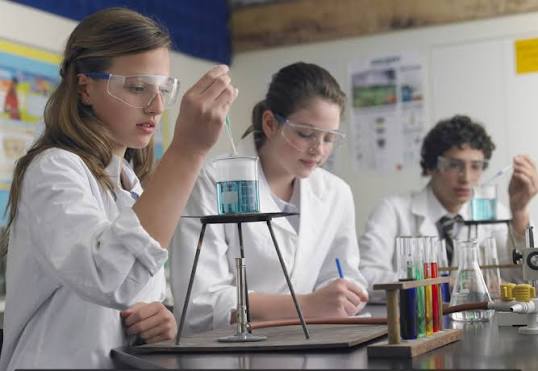
Personal protective equipment is essential when working with laboratory chemicals. Before starting an experiment, ensure that you have the correct protective equipment for the substances and procedures involved.
Essential laboratory safety equipment may include:
- Safety goggles: Protect your eyes from chemical splashes and irritating vapors.
- Laboratory coat: Helps protect your skin and clothing from contamination.
- Chemical-resistant gloves: Provide protection appropriate to the specific chemical being handled.
- Closed-toe shoes: Help protect your feet from spills and broken glass.
- Additional protective equipment: Use face shields, aprons, or respiratory protection when required by the risk assessment and laboratory procedures.
Tie back long hair, secure loose clothing, and remove dangling accessories. Never assume that ordinary gloves or a lab coat protect against every chemical.
3. Understand Chemical Labels and Hazard Symbols
Before using a chemical, read its label carefully. Confirm the chemical name, concentration, hazard warnings, and any relevant precautionary statements.
Learn to recognize the Globally Harmonized System (GHS) chemical hazard pictograms, including symbols for flammable substances, corrosive chemicals, acute toxicity, oxidizers, and environmental hazards.
Never use an unlabeled chemical or a substance whose identity is uncertain. Do not rely on a chemical’s color, smell, or appearance to identify it. If a container is damaged, mislabeled, or leaking, notify the laboratory supervisor immediately.
4. Prepare Your Laboratory Workspace
A clean, organized laboratory workspace helps prevent accidents and makes experiments easier to complete accurately.
Before beginning:
- Clear away unnecessary books, bags, and personal belongings.
- Check that glassware, measuring equipment, and other apparatus are clean and undamaged.
- Locate the eyewash station, safety shower, fire extinguisher, first-aid supplies, and emergency exits.
- Identify the designated chemical waste containers.
- Keep food, drinks, and personal electronic devices away from chemical work areas.
Keep chemical containers closed when not in use, and organize materials so that incompatible substances cannot accidentally mix.
5. Follow Safe Chemical Handling Procedures
Always follow your instructor’s directions and the approved laboratory procedure. Use the correct equipment to measure and transfer chemicals, and avoid unnecessary contact with substances.
Never taste laboratory chemicals, smell them directly, or pipette liquids by mouth. Use a fume hood when required for hazardous vapors or other airborne chemical hazards. Keep flammable chemicals away from ignition sources, and never mix substances unless the procedure specifically permits it.
When diluting concentrated acids, follow the approved procedure; the standard rule is to add acid slowly to water, never water to concentrated acid. Do not work alone when supervision is required.
6. Know Emergency Procedures and Chemical Waste Disposal
Even careful students need to know what to do when something goes wrong. Learn how to report chemical spills, splashes, fires, and accidental exposure before beginning an experiment.
If a chemical contacts your eyes or skin, use the appropriate emergency washing equipment immediately and follow the laboratory’s emergency procedures. Alert the instructor or supervisor and seek medical assistance when necessary. Do not attempt to clean up a hazardous spill unless you are trained and authorized to do so.
Dispose of chemical waste according to laboratory rules. Never pour chemicals down a drain or place them in ordinary trash unless specifically authorized by the applicable procedure.
7. Practice Responsible Laboratory Behavior
Good laboratory habits are just as important as technical knowledge. Follow instructions, label prepared solutions clearly, keep your hands away from your face, and wash your hands thoroughly after completing laboratory work.
Avoid horseplay, distractions, and unauthorized experiments. Report broken glassware, equipment problems, and unsafe conditions immediately. Before leaving, secure chemicals, clean your workspace as directed, remove contaminated protective equipment safely, and record your observations accurately.
Final Checklist: Are You Ready for Your Chemistry Lab?
Before handling chemicals, make sure you have:
- Read the experiment instructions and relevant Safety Data Sheets.
- Understood the chemical hazards and required precautions.
- Put on the correct personal protective equipment.
- Organized your workspace and checked your equipment.
- Located emergency safety equipment and exits.
- Understood chemical handling, spill response, and waste disposal procedures.
- Received approval from your instructor or laboratory supervisor when required.
Conclusion: Make Laboratory Safety Your First Priority
Preparing to use chemicals in the lab is about more than following rules; it is about developing responsible scientific habits that last a lifetime. By understanding chemical hazard symbols, wearing appropriate PPE, following safe handling procedures, and knowing emergency protocols, students can create a safer environment for everyone.
Remember: preparation, awareness, and responsibility are the foundations of laboratory safety. Before your next chemistry experiment, take a moment to review the instructions, check your protective equipment, and ask questions whenever you are uncertain. Safe science is better science!