

Blog
What is MDPHP? The Dangers of This Synthetic Stimulant

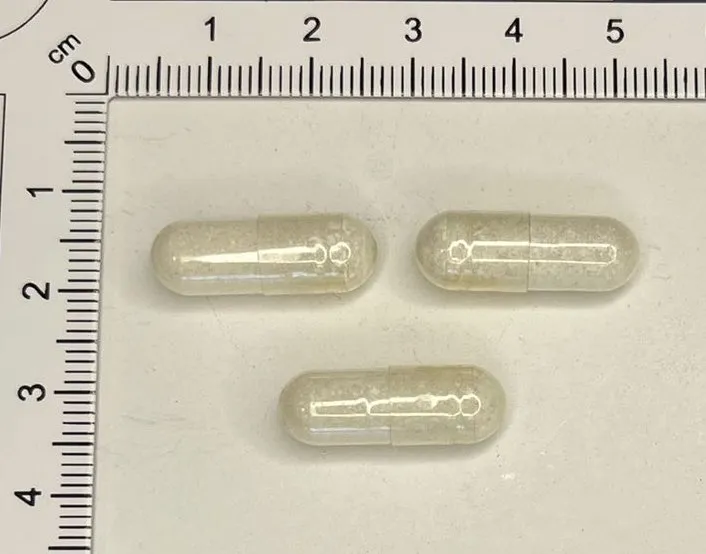
MDPHP is a potent synthetic cathinone that has recently emerged as a significant concern across Europe. This powerful central nervous system stimulant belongs to the same family as drugs like MDPV, often known as “bath salts.” Understanding what MDPHP is, its effects, and the severe risks it poses is crucial for harm reduction and public awareness.
Understanding Synthetic Cathinones
To understand MDPHP, you first need to understand synthetic cathinones. These are man-made drugs chemically similar to cathinone, a natural stimulant found in the khat plant. Often misleadingly called “bath salts” or “research chemicals,” they are designed to mimic the effects of drugs like cocaine, amphetamines, or MDMA.
MDPHP is one such synthetic cathinone from the α-pyrrolidinophenone class. It has recently gained attention due to a worrying increase in seizures and reports of human intoxication, particularly in Europe and Italy. Its chemical structure is closely related to MDPV, one of the most infamous synthetic cathinones.
What is MDPHP in Chemical Terms?
Chemically known as 3,4-methylenedioxy-α-pyrrolidinohexanophenone, MDPHP acts as a powerful stimulant. It works by affecting the brain’s neurotransmitters, specifically by stimulating the release of dopamine while also inhibiting its reuptake. This process creates a vigorous and dangerous overstimulation of the central nervous system (CNS).
In short, MDPHP is a synthetic stimulant that floods the brain with feel-good chemicals but at a terrible cost to the body and mind. It is a substance with no known medical use and a high potential for abuse and harm.
The Severe Risks and Side Effects of MDPHP
The effects of MDPHP are severe and can be life-threatening. Clinical studies and case reports have documented a terrifying array of symptoms linked to its use.
Physical and Mental Health Dangers
The health risks associated with MDPHP are profound and affect both the body and the mind. The drug is known to cause severe, and sometimes fatal, reactions. One of the most dangerous aspects is that users often do not intend to consume MDPHP, mistakenly taking it for other drugs like cocaine or similar stimulants.
According to research published in the journal NeuroToxicology, MDPHP and its close relative MDPV similarly affect behavior and cardiovascular function in both animal models and humans. You can review the full NeuroToxicology study on MDPHP and MDPV for detailed findings on these effects. Documented symptoms include:
- Psychiatric and Neurological Symptoms: Users frequently experience severe agitation, aggression, hallucinations (auditory and tactile), paranoia, and persecutory delusions. Psychomotor agitation and a sense of depersonalization have also been reported.
- Cardiovascular and Respiratory Problems: The drug can cause a dangerously rapid heart rate (tachycardia) and high blood pressure (hypertension), chest pain, and breathing difficulties (dyspnea). These effects can lead to heart attacks and other cardiac events.
- Other Severe Conditions: Use of MDPHP can also lead to hyperthermia (dangerously high body temperature), metabolic acidosis, rhabdomyolysis (a condition that causes muscle breakdown), and kidney failure.
Research also suggests that use of synthetic cathinones like MDPHP may increase the risk of sporadic forms of neurodegenerative diseases through mechanisms including blood-brain barrier damage, mitochondrial dysfunction, oxidative stress, and neuroinflammation. A comprehensive PubMed review on synthetic cathinones neurotoxicity provides an in-depth look at these mechanisms.
A Fatal Trend: Deaths and Overdoses
The severity of MDPHP cannot be overstated, as it has been directly linked to fatalities. A case reported by Di Candia et al. documented the death of a 48-year-old man solely from MDPHP poisoning, with a femoral blood concentration of 399 ng/mL. This finding highlights the substance’s potential for fatal overdose even when used alone.
A more recent case from 2025 involved a 58-year-old man with a history of MDPV addiction who was found dead in a waterway. Toxicological analysis revealed the presence of MDPHP along with other designer drugs and medications, with concentrations of 354.5 ng/mL in femoral blood. The medical examiner ruled the cause of death as an acute multidrug intoxication.
Polydrug use is common, with users often combining MDPHP with heroin, alcohol, benzodiazepines, and other new psychoactive substances (NPS), which can exacerbate the toxic effects. According to the European Union Drugs Agency’s Early Warning System, synthetic cathinones are the group of the most frequently identified new psychoactive substances, with 162 synthetic cathinones monitored. A detailed forensic case series on MDPHP published in Forensic Science International examines multiple intoxication and fatality cases involving this substance.
Where is MDPHP Found and Why is it Misleading?
MDPHP is not a pharmaceutical drug and is often encountered as an unknown white powder or in crystalline form. The drug is colloquially known as “monkey dust” in the United Kingdom and is often compared to its related analogue, MDPV. While some chemical suppliers sell it for “research purposes” only, these products are often diverted for recreational use, with online marketplaces offering it for sale under the guise of “research chemicals.”
How is MDPHP Consumed?
Reported routes of administration include insufflation (snorting), smoking (typically 1–20 mg), and oral ingestion (1–60 mg). Peak effects reportedly occur within 20–60 minutes and last approximately 2–4 hours before gradually subsiding. The route can affect the intensity and onset of the severe effects, with smoking and injection generally producing more rapid and intense effects.
Harm Reduction and Public Health Concerns
Synthetic cathinones like MDPHP present a great challenge for public health and forensic toxicologists. Acting on different systems and with various mechanisms of action, the spectrum of side effects caused by the intake of these drugs of abuse is very broad. The increasing need to separate isomers and accurately identify these substances is critical for toxicological interpretation relative to NPS-related intoxication and fatalities.
Frequently Asked Questions (FAQs)
Q: What does MDPHP stand for?
MDPHP stands for 3,4-methylenedioxy-α-pyrrolidinohexanophenone. Its chemical formula is C₁₇H₂₃NO₃, and its CAS number is 776994-64-0. It is a member of the synthetic cathinone family.
Q: How is MDPHP consumed?
The most common routes of administration are inhalation (smoking) and insufflation (snorting). It has also been reported to be injected or taken orally. Peak effects occur within 20–60 minutes and last approximately 2–4 hours.
Q: Are the effects of MDPHP the same as other “bath salts”?
MDPHP is very closely related to MDPV, one of the most notorious “bath salts.” Both are α-pyrrolidinophenones and have similar effects. Studies have shown that MDPHP and MDPV similarly affect behavior and cardiovascular parameters, causing increased aggression and changes to heart rate and blood pressure.
Q: Is there a treatment for MDPHP intoxication?
There is no specific antidote for MDPHP intoxication. Treatment is supportive and focuses on managing the severe symptoms. This often requires intensive care to address issues like agitation, seizures, high blood pressure, and organ failure.
Q: Is MDPHP legal?
MDPHP is a controlled substance in many countries and is illegal to possess or consume. The increasing number of seizures and its classification as a novel psychoactive substance (NPS) highlight the legal efforts to curb its distribution.
Conclusion: The Reality of MDPHP
MDPHP is a dangerous synthetic stimulant that poses a severe threat to health and life. Its effects include psychosis, aggression, life-threatening cardiovascular issues, and potentially death. The risk is amplified by the fact that users are often misled about what they are taking, either buying it online or mistaking it for another, less harmful drug.
The best course of action is to avoid these substances entirely. If you or someone you know is struggling with substance use, please seek help from a medical professional or an addiction treatment center immediately. Awareness and education are the first steps toward preventing harm from drugs like MDPHP.